Tuna Fishing Methods
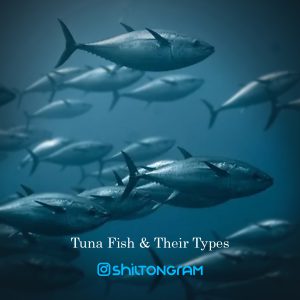
Tuna are among the most valuable fish species in the world, holding a special place in both the human food basket and the global fisheries industry. With their powerful bodies and exceptional swimming ability, these fish inhabit tropical and temperate oceans, and numerous species are harvested and consumed worldwide. Most edible species belong to the family Scombridae.
Among the many species in this family, seven principal species are widely harvested for food consumption:
Albacore Tuna
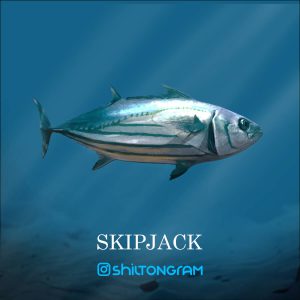
Skipjack Tuna
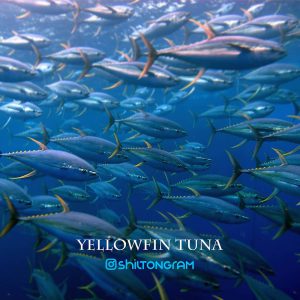
Northern Yellowfin Tuna
Bigeye Tuna
Atlantic Bluefin Tuna
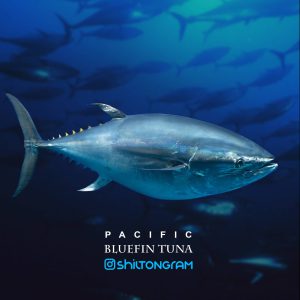
Pacific Bluefin Tuna
Southern Bluefin Tuna
In East Asian culinary culture—particularly in Japan—the raw meat of certain tuna species such as bluefin and bigeye is considered one of the primary ingredients in sushi and sashimi. Due to its firm texture, uniform fat distribution, and delicate flavor—especially in higher‑fat species—tuna is highly valued by professional chefs.
In other parts of the world, tuna is commonly consumed cooked, smoked, grilled, or processed, and is used in dishes such as salads, pasta, hot meals, and various sandwiches.
One of the most widespread forms of tuna consumption globally is canned tuna, which serves as a fast, affordable, and shelf‑stable source of protein in many households and everyday diets. In canned production, species with relatively lighter flesh, softer texture, and lower fat content are typically preferred. Skipjack and Yellowfin are the two main species used in the Shilton canning industry.
The diversity in tuna meat characteristics and processing capabilities has increased both the nutritional and economic value of the tuna family. Consequently, fishing methods and natural resource management have become central issues in the global fisheries sector.
Tuna Fishing Methods
Due to their wide distribution and high economic value in the global market, various fishing methods are used to harvest tuna across different marine regions. These fish are caught from coastal waters to the depths of the open ocean using methods such as:
Purse Seine
Longline
Pole and Line
Trolling
Gillnet
Each method has its own advantages and challenges depending on the target species, geographic location, and intended use of the catch.
1. Purse Seining
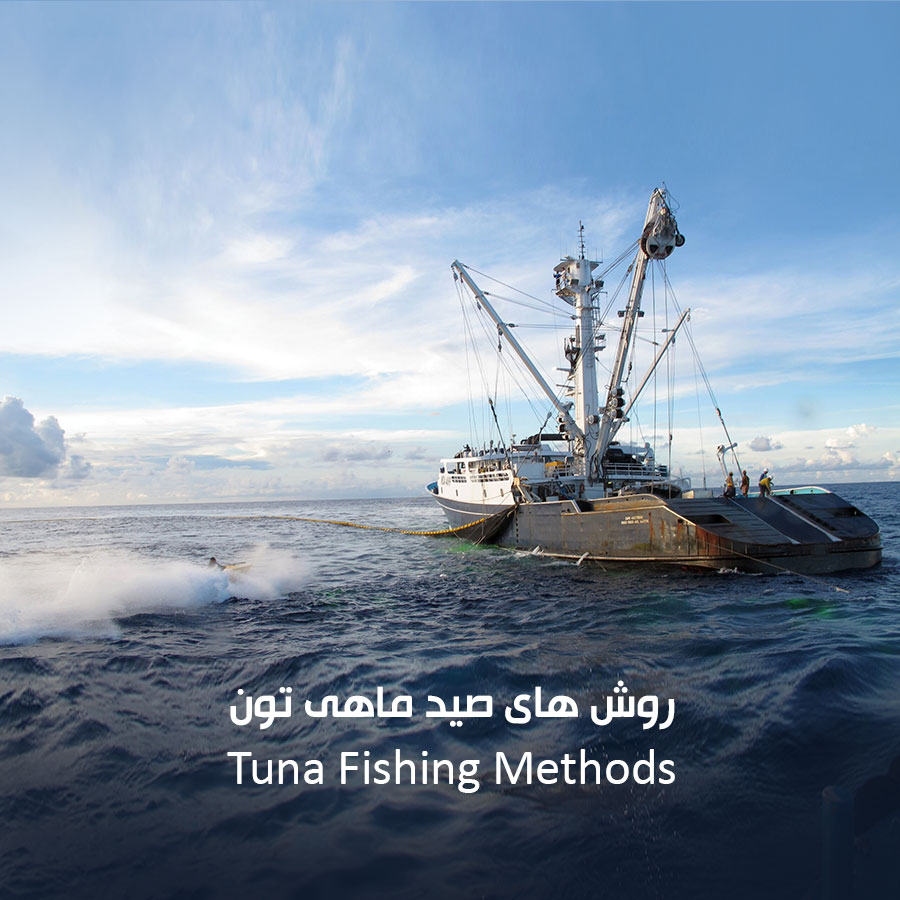
One of the most common industrial methods for catching tuna—particularly Skipjack and Yellowfin—is the purse seine method.
In this technique, a large wall of netting surrounds a school of fish from the sides and underneath. The bottom of the net is then drawn closed, trapping the fish in the center. This method is mainly used during the warmer months (June to late September) for catching surface‑dwelling species.
In 2009, approximately 75% of the total global tuna catch (nearly 1.9 million tons) was harvested using this method.
Although highly efficient, purse seining has a relatively high level of bycatch, requiring careful management and regulatory oversight.
2. Longline Fishing
Longline fishing is primarily used for larger species such as Yellowfin, Bigeye, and Albacore.
In this method, a very long main line is deployed in the water, to which hundreds or even thousands of baited hooks are attached at intervals. These lines may extend for tens of kilometers.
The main advantage of longlining is its ability to target specific species. However, there is a risk of incidental capture of non‑target species such as sea turtles and seabirds. In recent years, the use of specialized hooks and alternative bait types has helped reduce bycatch rates.
3. Pole and Line
One of the oldest and most sustainable tuna fishing methods—particularly for Skipjack—is pole and line fishing.
In this technique, fishermen use fishing poles and live bait to catch tuna individually. This method is highly selective and environmentally friendly, with minimal bycatch.
However, due to its labor‑intensive and non‑mechanized nature, it is less widely used on an industrial scale. The caught fish must be rapidly frozen onboard to preserve quality.
4. Trolling
In trolling, baited hooks with artificial lures are drawn behind a moving boat. This method is commonly used for catching Albacore and Yellowfin.
Due to the high quality of the harvested fish, trolling is particularly suitable for canned products. Approximately 13% of tuna catches in the Central and Western Pacific Ocean are made using this method, and in the southern parts of this region, nearly 5,000 tuna are caught annually in this way.
Trolling offers moderate yield but is highly selective and associated with low bycatch rates.
5. Gillnet Fishing
In the gillnet method, a vertical net wall is set in the water. Fish attempting to swim through become entangled when their heads pass through the mesh and are caught by the gill area.
Although this method is used for tuna in certain regions, its high risk of bycatch and potential harm to endangered species has led to restrictions or bans in many countries. It is mainly used in near‑surface or coastal waters.
Conclusion
Overall, tuna fishing methods are selected based on environmental conditions, target species, and the final intended use of the product. The proper and well‑managed selection of these methods directly affects:
The level of bycatch
The quality of the final product
The sustainability of marine stocks
For this reason, adopting targeted and environmentally responsible fishing practices remains one of the primary priorities in the global tuna industry.