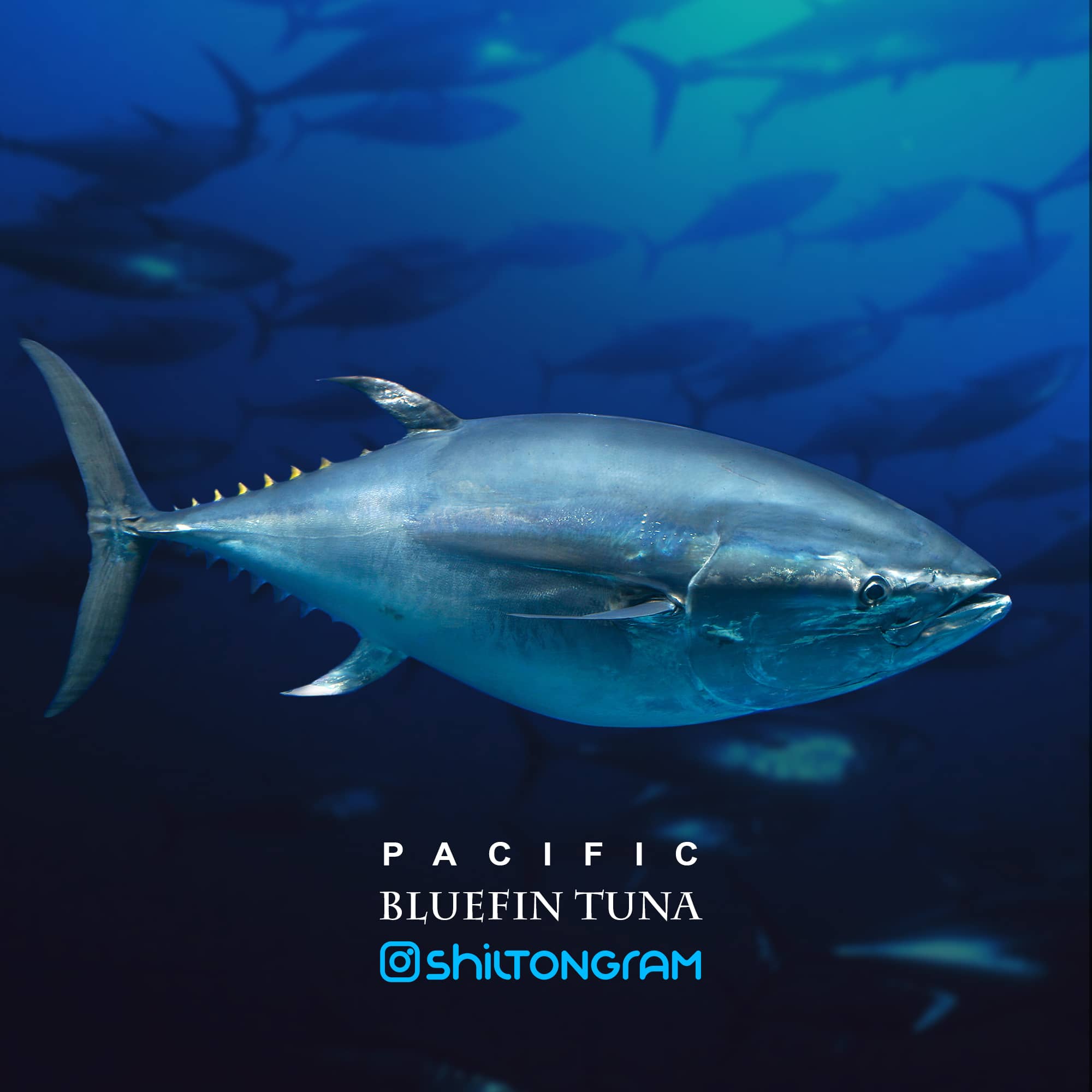
Tuna Fish (Skipjack)
Matters Regarding Skipjack Tuna
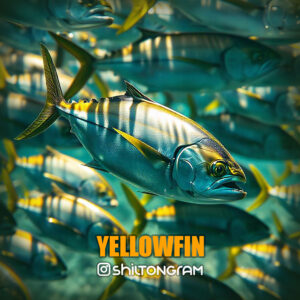
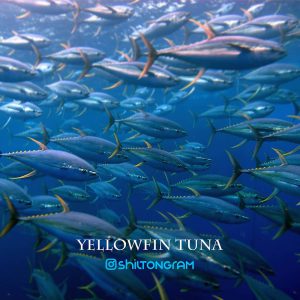
Annually, nearly 6 million tuna are caught from the oceans. Among these, the Skipjack, which is utilized in the production of canned tuna, constitutes approximately half of the global tuna catch. This is followed by the Yellowfin tuna, accounting for less than a quarter of the global catch.
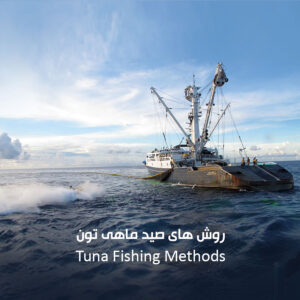
Keeping tuna in enclosed environments is extremely difficult, and farming them in the manner that trout, for instance, are farmed is impossible. Tuna fishing is typically done using bait. Since their natural habitats are open seas or oceans, annual tournaments are held in various locations worldwide that host these fish, to catch the largest tuna of the year. Tuna is a highly popular seafood, though its availability fluctuates due to extensive, and sometimes unsustainable, fishing practices.
This valuable fish contains 28 times more Omega-3 than other fish. It is rich in protein and iodine, and it supplies the body with necessary selenium. You can also find essential compounds such as Vitamin A, Vitamin B6, and folic acid in it.
The primary benefits of tuna include maintaining heart health, providing a high amount of Vitamin B for the body, supporting immune system health and strength, and regulating normal blood pressure. Naturally, the benefits of this fish are not limited to adults; it is also highly beneficial for children.
The Skipjack tuna is a highly significant species for fisheries. Found in tropical and subtropical oceans worldwide, this species is seen in the waters of approximately 170 countries. Skipjack is also native to the Persian Gulf and the Sea of Oman. Its maximum length is 110 cm. This fish is an expert swimmer, navigating at speeds of 40 kilometers per hour. It has a spindle-shaped body, small conical teeth, and numerous dorsal spines. Its ventral side is silver, while the dorsal side turns dark gray. In some, the back is a dark purplish-blue, and their lower sides and belly are silver with 4 to 6 distinct dark longitudinal stripes, which may appear as continuous lines of dark spots.
During the spawning season, it releases between 80,000 to 2,000,000 eggs. Although they prefer surface waters, they routinely dive to depths of 270 meters during the day, perhaps in search of prey that retreats to the dark depths of the sea during daylight hours.
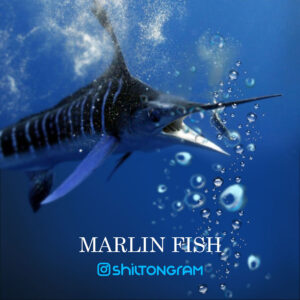
This fish is present in tropical waters globally, living in surface waters in large schools of up to 50,000 individuals, feeding on fish, crustaceans, and mollusks. Conversely, this species is an important prey for sharks and large marine fish, and it is often used as live bait when fishing for Marlin. The Skipjack tuna has no scales except on the corselet (a band of large, thick scales behind the head) and a weak lateral line running along each side of the fish. This fish has a maximum lifespan of 12 years.
Skipjack is widely used in the tuna canning industry. Unlike most fish that have white meat, Skipjack features light pink meat, which is due to this specific fish’s blood circulation and higher oxygen transport. Furthermore, the Skipjack tuna is highly sensitive to environmental conditions and changes, making the impacts of climate change and marine ecosystems on its life quite significant. Despite all this, Skipjack is a fatty, saltwater fish. It is one of the best sources of essential fatty acids, protein, minerals, and fat-soluble vitamins such as Vitamins A, E, and D. Every 100 grams of its meat contains 103 calories and 22 grams of protein. Skipjack (Havoor) is one of the fish used in Shilton canned tuna products, which are produced and supplied to the market in three weights: 180g, 150g, and 120g, in a variety of flavors.