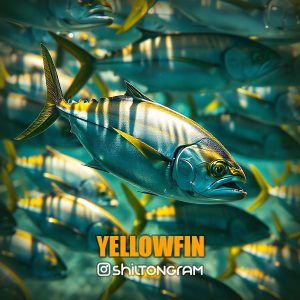
About Marlin
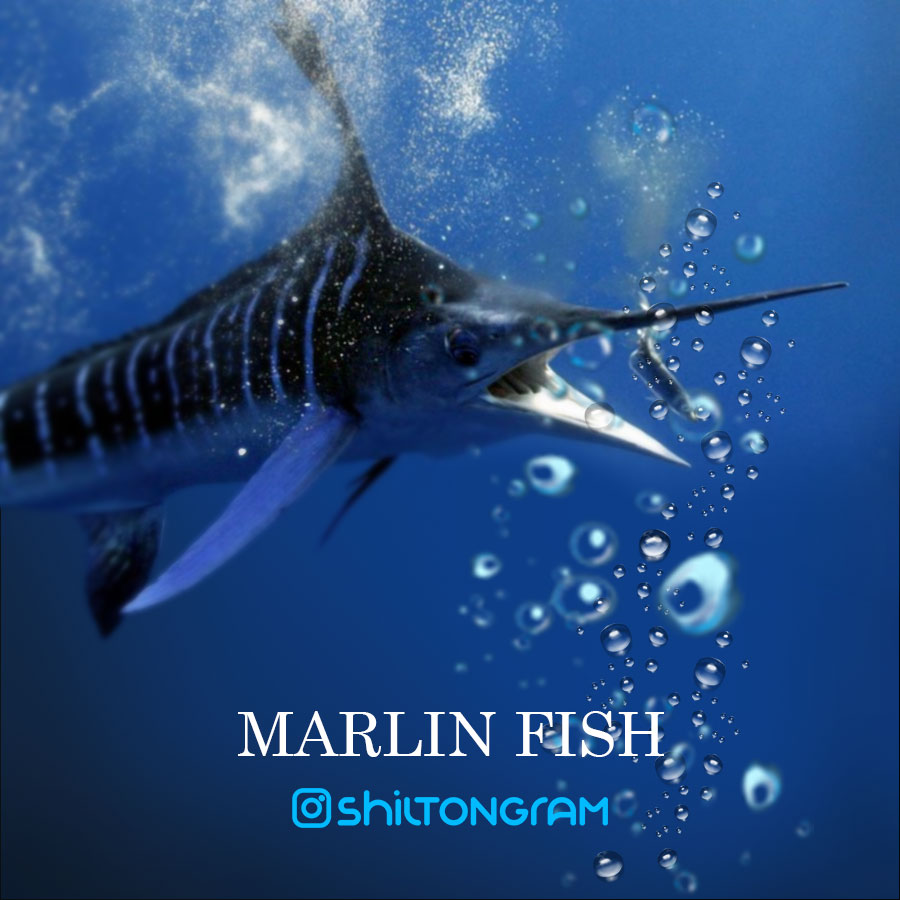
Marlin, also known as spearfish, is a species of fish found in tropical and temperate waters around the world. They have elongated bodies with large eyes and bright colors. They also possess a spear‑like upper jaw, a small lower jaw, and two dorsal fins along their backs. The body of marlin is covered with dark blue scales, a feature that helps them swim rapidly through the open ocean. Marlins also have a distinctive sail‑like dorsal fin that helps them maneuver easily in the water while hunting prey such as squid, shrimp, and other small fish.
Marlin is not only one of the largest fish in the sea but also one of the fastest. Its speed can sometimes reach 110 kilometers per hour. Marlin has a sword‑like upper jaw that it uses to slash and stun fish. The blue marlin is deep cobalt blue on the upper body and silvery white underneath. In ports it is locally known as “Asbak”, and it is often used in canned fish production.
A blue marlin may grow to more than 3 meters in length and weigh up to 900 kilograms. Female blue marlins grow larger than males and may live up to 20 years. Male blue marlins reach about 2 meters in length and may live up to 10 years. They grow rapidly and can reach 1 to 2 meters in length during the first 1 to 2 years of life. Males become mature at around 2 years of age, while females mature between 3 and 4 years. Blue marlins spawn between May and September. Their diet mainly consists of tuna and other open‑ocean fish.
This fish can be found in the Atlantic Ocean, Pacific Ocean, and Indian Ocean. Marlins are migratory fish and travel hundreds or even thousands of miles through warm ocean currents. Blue marlin is vulnerable to overfishing and has been identified as an endangered species. Efforts by the United States government to rebuild populations in the North Atlantic have been successful; however, populations in the northwestern Pacific and the South Atlantic remain uncertain. It is believed that populations in the Mediterranean Sea and the Indian Ocean are at greater risk. Blue marlin inhabit tropical and subtropical waters throughout the Indian, Pacific, and Atlantic Oceans. They prefer warm surface waters that are well mixed by surface winds and relatively uniform in temperature and salinity. They often move between the surface and depths of up to 100 meters.
Marlins are large predatory fish belonging to the Istiophoridae family, known for their elongated bodies, distinctive dorsal fins, and high swimming speed. These magnificent creatures roam the open seas, searching for prey with precision and agility. Several species of marlin exist, including blue marlin, black marlin, and striped marlin. They share common characteristics that make them highly valued and respected catches among fishermen.
Marlin Meat
The meat of marlin is known for its delicate flavor, often described as slightly sweet. Unlike some other types of fish, the taste of marlin makes it a versatile ingredient that can adapt to many culinary styles and flavor profiles.
One of the distinctive characteristics of marlin meat is its dense texture and firmness. Whether grilled, fried, or smoked, marlin retains its shape and moisture, resulting in juicy and tender meat that melts in the mouth with every bite.
Marlin meat is a rich source of protein, essential nutrients, and minerals. It contains low saturated fat, making it a nutritious alternative for health‑conscious individuals seeking lean protein sources to support an active lifestyle.
Blue marlin is low in saturated fat and sodium and is a good source of:
Vitamin B12
Vitamin B6
Selenium
Niacin
Protein
From raw dishes such as sushi and sashimi to cooked preparations like grilled steaks, tacos, and kebabs, marlin meat has numerous culinary applications. Its versatility allows chefs to showcase creativity and expertise, offering diners a wide variety of flavorful dishes.
In Hawaiian cuisine, marlin—known locally as “aku”—holds cultural importance as a traditional food source and a symbol of abundance and prosperity. Ahi poke, a popular dish made with marinated raw fish that may include marlin, is a staple of Hawaiian cuisine enjoyed by both locals and visitors.
In the Caribbean, marlin is a prized delicacy valued for its culinary versatility and bold flavor. From spicy marlin dishes to grilled marlin steaks served with tropical fruit salsa, Caribbean chefs combine local spices and flavors with marlin to create remarkable tastes.
In the Mediterranean, marlin is often used in seafood‑focused dishes that reflect the region’s rich culinary heritage. Marinated grilled marlin skewers and grilled marlin fillets drizzled with olive oil and aromatic herbs are just a few examples of dishes prepared with this fish.
Sustainable Fishing Practices: Ensuring the Future of Marlin
Like all marine species, balanced and sustainable fishing practices are essential for maintaining the delicate balance of ocean ecosystems and ensuring the long‑term survival of marlin populations. By following responsible guidelines, supporting conservation efforts, and promoting sustainable seafood consumption, stakeholders in the fishing industry can help preserve marlin and other marine species for future generations.
Marlin meat represents a culinary treasure that transcends borders and cultures, captivating people with its delicate flavor, appealing texture, and adaptability to diverse cuisines. Whether enjoyed as a gourmet dish in fine restaurants or as a casual meal in coastal kitchens, the charm of marlin lies in its ability to inspire memorable culinary experiences.
Nutritional Benefits of Marlin
Marlin is also a good source of iodine and magnesium. Its benefits include:
Strengthening the body’s immune system
Containing Omega‑3 fatty acids
Supporting brain cell development
Maintaining healthy bones and teeth
Suitable for healthy dietary plans
Helping to reduce high cholesterol
Black marlin, in addition to the general benefits found in fish such as essential fatty acids that help prevent or manage diseases like Alzheimer’s disease, arthritis, and others, is notable for containing a powerful antioxidant called astaxanthin, one of the strongest natural antioxidants known.
Astaxanthin is one of the most well‑known natural pigments belonging to the carotenoid family. This compound is produced by certain bacteria, algae, and yeasts and is found in high amounts in foods such as salmon, lobster, and marlin.
Astaxanthin provides numerous health benefits. Oxidation is a process that produces free radicals, which can lead to problems such as cancer, cardiovascular diseases, cataracts, Alzheimer’s disease, Parkinson’s disease, and accelerated aging. Astaxanthin acts as a powerful antioxidant that inhibits oxidation and helps prevent many diseases while strengthening the immune system.
Studies have shown that this compound may help reduce oxidative stress and improve blood circulation, particularly in individuals who are overweight or smokers. Consuming foods rich in astaxanthin—such as salmon, marlin, or supplements containing this compound—once or twice per week may provide health benefits.
There is also substantial evidence that astaxanthin has many benefits for skin and hair health. In addition to its antioxidant and anti‑inflammatory properties, it offers protective effects against UV radiation, helps prevent collagen degradation, reduces premature aging, and protects hair follicles.
Using fish meat as a raw material in the production of canned fish, which is considered a healthy food worldwide, along with the application of commercial sterilization processes (thermal processing at 121°C) and the absence of preservatives, has made the canned fish industry one of the healthiest food industries in the country.
Consumers can confidently use canned fish products from Iran Protein Company, which carry the national standard mark and a ten‑digit code. As part of its ongoing expansion of canned food products, Iran Protein Company has added canned marlin fish under the brand “Shiler” to its product portfolio.