Yellowfin Tuna; Benefits and Characteristics
Notes on Guider Tuna (Yellowfin)
Yellowfin tuna, also known as yellowfin or Yellowfin Tuna, is one of the tuna species that is highly popular due to its delicious and nutritious meat. Below, we review several important points about this fish:
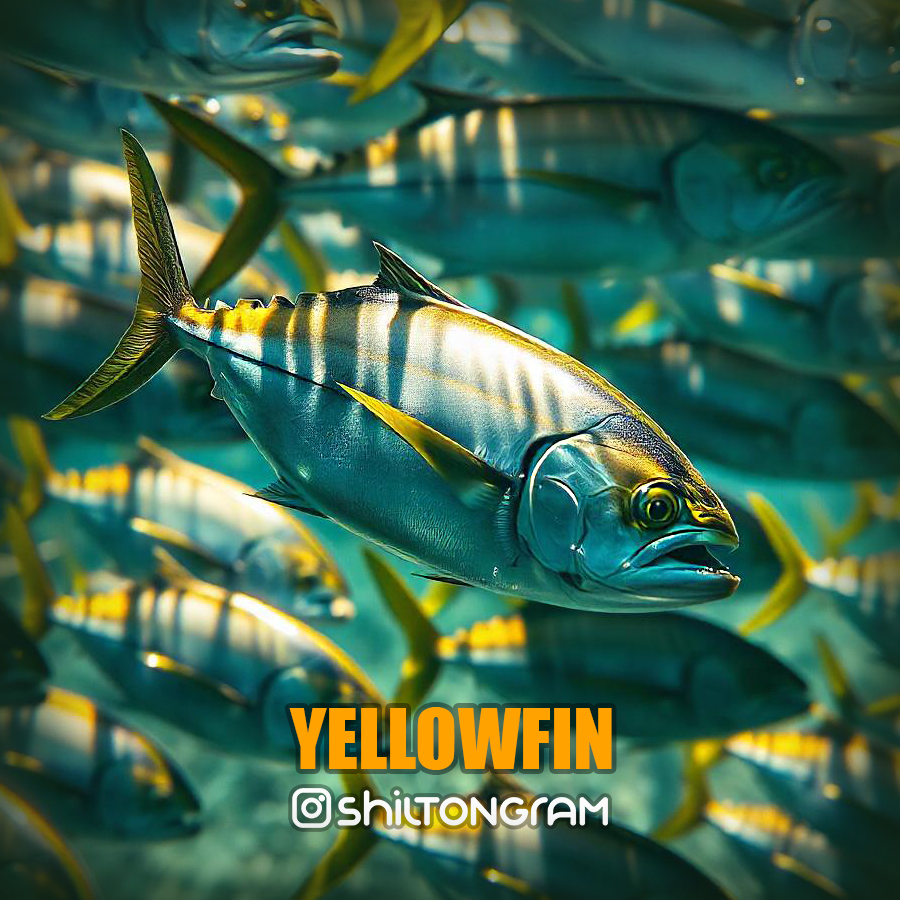
Yellowfin has yellow dorsal and caudal fins, from which it takes its name. This fish can reach a length between 2.4 and 2.7 meters and a weight of up to 200 kilograms. Its body is elongated and spindle-shaped, which makes it highly suitable for fast swimming in the oceans. Guider is found in the warm and temperate waters of the Atlantic, Indian, and Pacific Oceans. This fish usually lives at depths between 100 and 400 meters in the oceans. Yellowfin mainly feeds on smaller fish, crabs, squid, and other marine organisms. These fish are preyed upon by sharks, seabirds, and humans.
Yellowfin is one of the most economically important tuna species and is widely used in the commercial fishing industry. The meat of this fish is used in many seafood dishes, especially sushi and sashimi. Due to overfishing, populations of this fish are declining in some regions, and efforts are underway to sustainably manage resources and protect this species. Yellowfin tuna is widely found in the warm and temperate waters of the world’s oceans. Specifically, the following regions are among the main fishing areas for this fish:
Oceans and Main Fishing Areas:
Pacific Ocean: The tropical and subtropical regions of this ocean, including waters around Hawaii, the Marshall Islands, and Fiji, as well as the western coasts of Central and South America.
Atlantic Ocean: The warm and temperate parts of the Atlantic Ocean, including the Gulf of Mexico and waters around the Caribbean, as well as the coastal waters of West Africa.
Indian Ocean: Tropical and subtropical waters, especially near the coasts of India, Sri Lanka, and the Maldives archipelago.
Areas Where Yellowfin Is Less Common:
Cold Oceans: These fish are not found in cold and polar waters because they prefer to live in warmer and temperate waters.
Inland and Enclosed Waters: Yellowfin does not exist in inland waters such as lakes and rivers, and their primary habitat is the open ocean.
Migration Patterns
Guider tuna migrate seasonally due to temperature changes and food availability. Throughout the year, they may move to different ocean regions in search of food resources and favorable living conditions. Some ocean areas have been designated as protected zones to prevent overfishing and to maintain their populations sustainably. In general, Yellowfin tuna is widespread in the warm and temperate regions of the world’s oceans but is not present in cold waters or inland areas. This wide distribution and diverse habitats highlight the importance of this species in both the economy and marine ecosystems.
Meat Characteristics and Benefits of Yellowfin Tuna
The meat of Yellowfin tuna has many characteristics and benefits that make it one of the most popular edible fish. Below are some of these features and advantages:
The color of its meat is usually red to pink. Its texture is soft and tender, yet firm enough to perform well in cooking. Yellowfin meat has a mild and slightly sweet flavor that is appealing to many people. Raw Guider meat is very popular for consumption in dishes such as sushi and sashimi. When cooked, it can be grilled, fried, or used in various dishes. This fish has minimal fishy odor, which makes it suitable for raw consumption in sushi and sashimi.
Nutritional Benefits of Yellowfin:
High Protein: The meat of this fish is an excellent source of high-quality protein, which is essential for growth and tissue repair.
Healthy Fats: Yellowfin tuna contains significant amounts of omega-3 fatty acids, which are beneficial for heart health, reducing inflammation, and improving brain function.
Vitamins and Minerals: It is rich in B vitamins such as B12, niacin (B3), and riboflavin (B2), which are essential for energy production and nervous system function. It also contains important minerals such as phosphorus, magnesium, and selenium, which play key roles in bone health, immune system support, and antioxidant activity.
Health Benefits of Guider Tuna:
Heart Health: Regular consumption of Yellowfin tuna, due to its omega-3 fatty acids, can help reduce the risk of heart disease.
Reduced Inflammation: The omega-3 fatty acids in this fish can help reduce inflammation in the body, which is beneficial in lowering the risk of chronic diseases such as arthritis.
Brain Health: Omega-3s are vital for healthy brain function and development and can help improve memory and reduce the risk of cognitive decline.
Immune System Support: The minerals and vitamins present in Yellowfin tuna meat can help strengthen the immune system.
Mercury Content: Like many large fish, Yellowfin may contain relatively high levels of mercury. Therefore, moderate consumption is recommended, especially for pregnant women and children.
In general, Yellowfin tuna meat has desirable characteristics and numerous benefits, making it a valuable food source.
Yellowfin Tuna (Guider) in Iran
In Iran, Yellowfin tuna is commonly known as “Guider.” This fish is one of the important tuna species that receives attention in local markets and Iran’s fisheries industry. Yellowfin tuna (Guider) is also used in the canning industry. Due to its high-quality meat, good taste, and suitable nutritional value, it is very appropriate for canned fish production. Canned products made from Guider are usually recognized in the market as high-quality and premium products. In addition to Guider, other tuna species such as albacore are also used in canning, but Guider holds a special position in this industry due to its nutritional and flavor advantages. Guider meat, because of its high quality and nutritional value, is used in the production of Shilton canned fish.